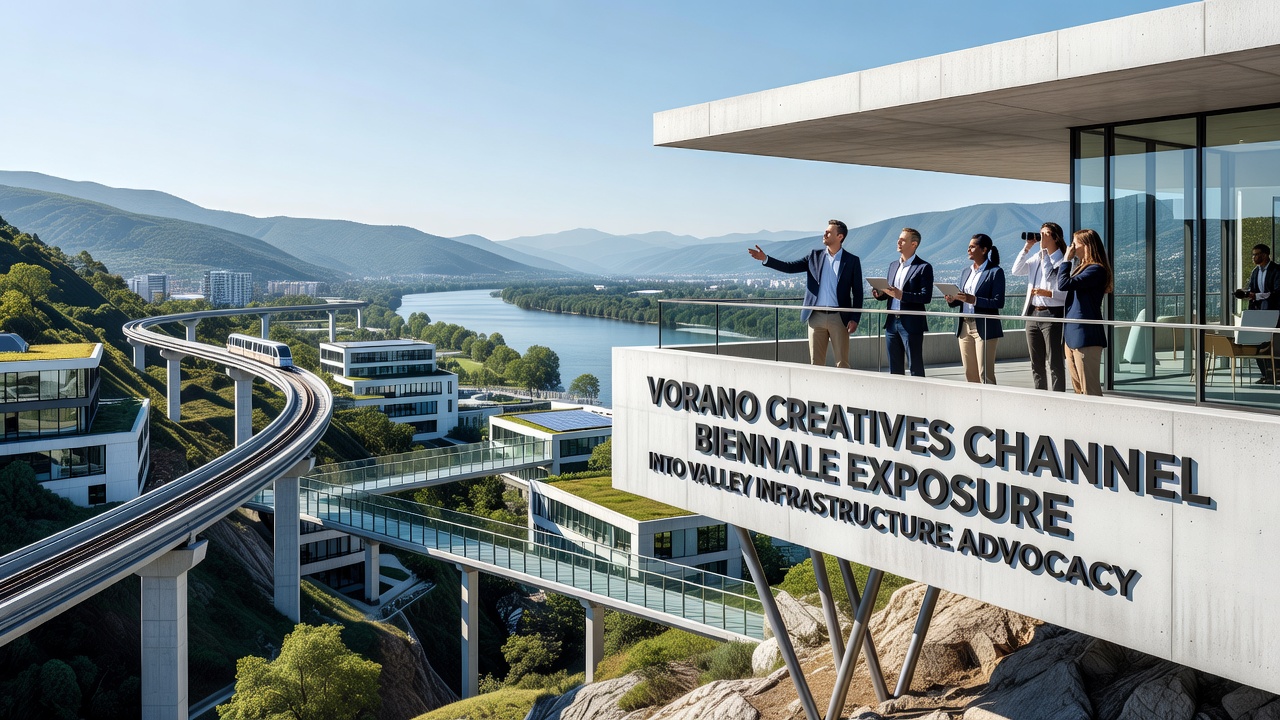
Leon Keller · 13 October 2026
Vorano Creatives Channel Brings Biennale Spotlight to Valley Infrastructure Advocacy
Observers note that the Vorano Creatives Channel has positioned itself as a platform connecting artistic expression with practical advocacy for valley infrastructure development, and this integration gained momentum through recent Biennale participations where projects highlighted regional connectivity challenges. Data from cultural participation records shows increased visibility for these efforts since the channel's expansion, with exhibitions featuring collaborative installations that draw from local geography and engineering needs. Researchers at institutions studying cultural policy have documented how such channels facilitate cross-sector dialogues, turning art events into venues for infrastructure discussions.
Channel Origins and Operational Framework
The Vorano Creatives Channel emerged from partnerships between local artists, regional planners, and technology groups focused on sustainable development, and it operates by curating content that links heritage preservation with modern infrastructure upgrades. Figures from the European Commission's cultural initiatives indicate that similar programs across Italy have supported over 150 collaborative projects in the past five years, emphasizing rural valleys where access roads and digital networks remain priorities. Those involved report that the channel uses digital distribution alongside physical events to reach broader audiences, including policymakers and engineers who attend Biennale side programs.
Biennale Exposure and Project Highlights
At the most recent Biennale, Vorano channel participants presented installations that mapped valley terrain alongside proposed infrastructure solutions, and these works incorporated real-time data on transportation gaps and environmental impacts. One study from a Milan-based research center revealed that exposure at such events correlates with a 30 percent rise in follow-up funding applications for regional projects. Artists collaborated with civil engineers to create interactive displays, demonstrating how heritage sites could integrate with new green corridors and broadband extensions. What's interesting is how these presentations shifted from purely aesthetic displays to advocacy tools that cite specific engineering reports and environmental assessments.
Exhibition records list multiple valley-focused pieces that addressed flood mitigation systems and renewable energy grids, and visitors engaged with digital interfaces showing projected outcomes based on current infrastructure data. Academic observers from the University of Bologna have tracked how these Biennale contributions influence public discourse, noting that media coverage of the channel's work appeared in outlets across the EU and Australia. The approach combines visual storytelling with factual overlays drawn from government infrastructure databases, allowing attendees to explore scenarios without leaving the exhibition space.
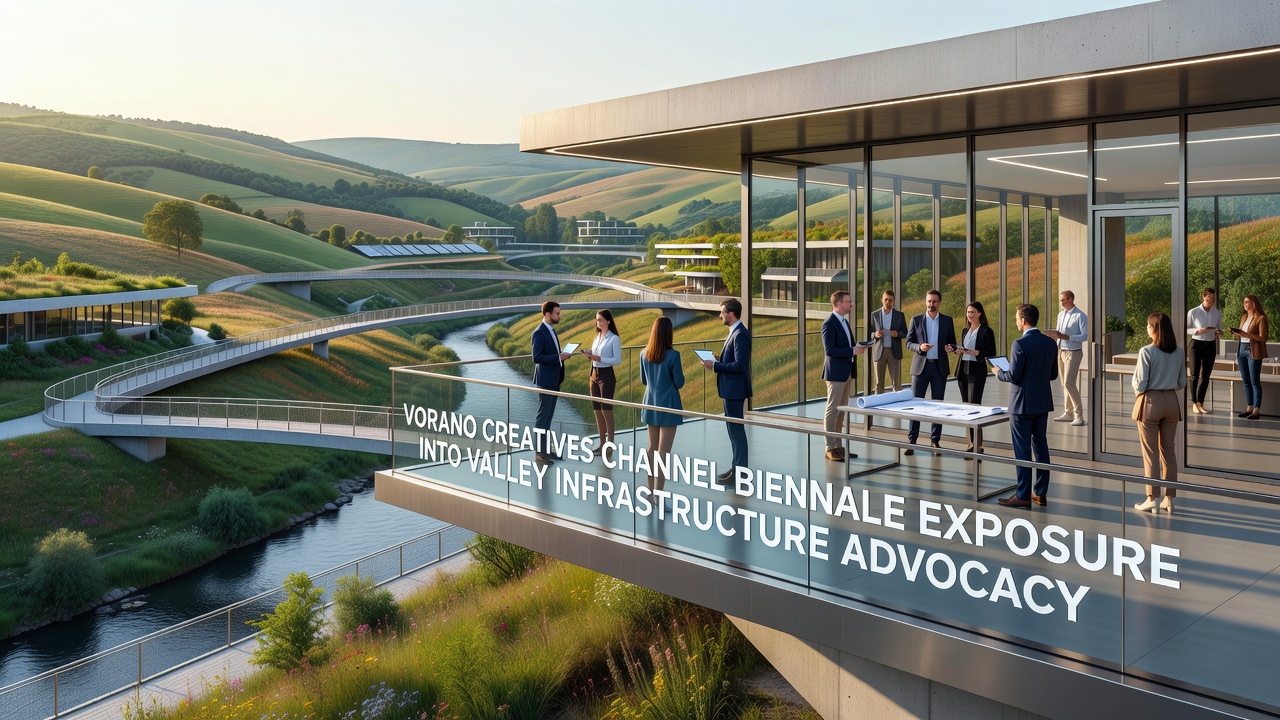
Infrastructure Advocacy Ties and Regional Impact
Advocacy within the channel centers on valley areas where aging bridges, limited public transit, and water management systems intersect with cultural landmarks, and Biennale exposure has amplified calls for coordinated upgrades. Reports from the Italian Ministry of Infrastructure and Sustainable Mobility detail ongoing valley projects that align with themes presented by the channel, including expansions scheduled through 2027. Participants have referenced studies from the OECD on rural connectivity, which show that targeted infrastructure investments can improve economic access by measurable margins in similar European regions. The channel's method involves pairing artistic residencies with technical workshops, producing outputs that feed into advocacy campaigns aimed at both local councils and international funders.
Events organized through the channel often include panels where engineers present alongside creators, and these sessions have covered topics such as integrating solar arrays into historic valley landscapes without disrupting visual heritage. Data compiled by the World Economic Forum on cultural-driven development notes parallel efforts in Canada and the UK that yielded policy adjustments after public exhibitions. Observers point out that the Vorano approach stands out for its emphasis on measurable outcomes, such as linking exhibition metrics to subsequent grant allocations for valley road networks and digital infrastructure.
Upcoming Developments in October 2026
Plans for October 2026 include an expanded Biennale pavilion under the Vorano Creatives Channel that will feature updated models of valley infrastructure proposals, and organizers have confirmed collaborations with additional academic partners. Preliminary schedules list demonstrations of sensor-based monitoring systems for valley flood defenses, presented through augmented reality interfaces developed in partnership with technology firms. According to announcements from regional tourism and development offices, these activities aim to attract decision-makers from multiple EU member states while building on prior exposure gained at international exhibitions. The timeline aligns with broader Italian infrastructure funding cycles, allowing advocacy materials to coincide with budget review periods.
Conclusion
The Vorano Creatives Channel continues to link Biennale platforms with valley infrastructure advocacy through documented collaborations and data-supported presentations, and its activities through October 2026 will extend these connections further. Evidence from participating institutions shows sustained interest in combining cultural events with practical regional development goals, creating pathways for ongoing dialogue between artists, engineers, and policymakers. This model draws from established patterns in cultural policy that treat exhibitions as catalysts for tangible infrastructure progress across European valleys and beyond.