Rosa Bauer · 15 September 2026
Lyon-Vorano Artist Swap Cultivates Cross-Border Creative Collaborations
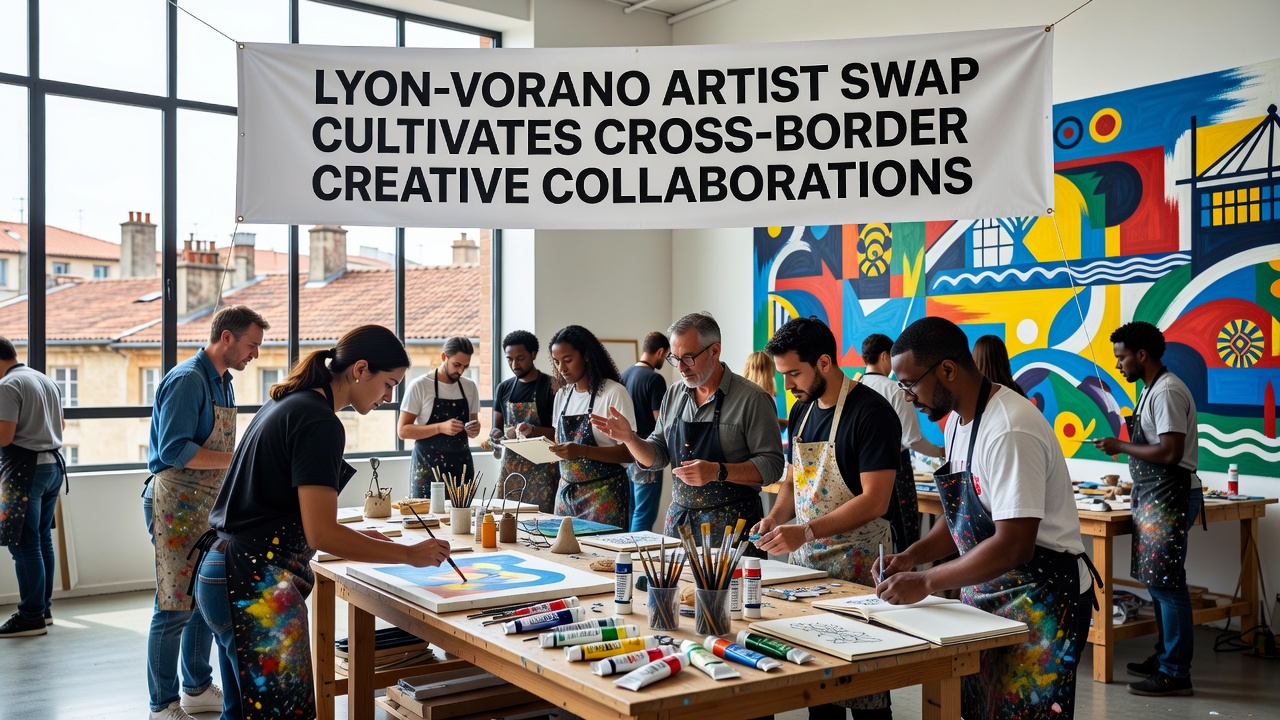
Cross-border artist exchanges between Lyon and Vorano have expanded steadily since the program's formal launch, with participants documenting joint projects that blend French urban aesthetics and Italian regional traditions. Data from the European Cultural Cooperation Network shows increased participation rates across similar initiatives, with figures revealing over 150 artists involved in the most recent cycle. The swap operates through structured residencies where creators spend extended periods in the partner city, producing works that reflect shared themes while preserving distinct cultural markers.
September 2026 marks the next major exhibition phase, during which selected pieces from the exchange will appear in coordinated venues across both locations. Organizers coordinate with municipal cultural offices to align schedules, ensuring public access coincides with local festivals and academic calendars. Those who have tracked the program note that timing adjustments account for seasonal travel patterns, which helps maintain consistent attendance levels documented in prior years.
Program Structure and Participant Selection
Selection committees review applications based on portfolios, project proposals, and demonstrated interest in cross-cultural dialogue. French and Italian institutions alternate hosting duties each year, while shared funding streams cover travel, materials, and studio access. Researchers at the University of Lyon have compiled records indicating that selected artists typically maintain professional networks spanning multiple countries, which supports ongoing collaborations after the residency concludes. The process emphasizes practical outcomes such as joint exhibitions and publications rather than isolated individual works.
Participants receive orientation sessions that cover local regulations, workspace protocols, and community engagement expectations. Data collected by regional arts councils indicates higher completion rates when these briefings include direct introductions to local mentors and technical support staff. And because logistics receive attention early, artists report fewer disruptions during the core production period.
Creative Outputs and Documented Exchanges
Joint projects emerging from the swap often combine techniques drawn from both regions, such as Lyon printmaking methods paired with Vorano textile traditions. Exhibition catalogs list specific pieces that incorporate these elements, with curators noting measurable audience interest through visitor surveys. One documented series from the previous cycle traveled to additional European venues, extending the reach beyond the original partner cities.
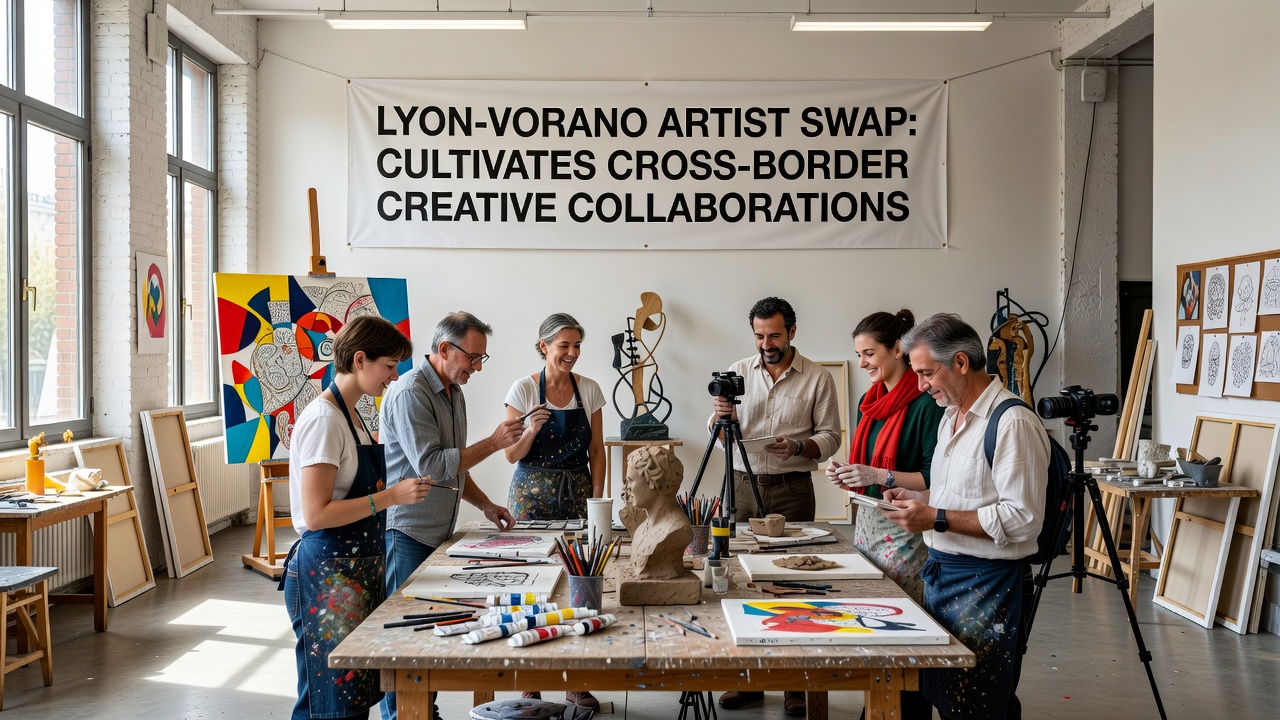
Public programming includes open studio days and panel discussions that allow residents to observe processes firsthand. Attendance records maintained by participating galleries show steady growth in these events, with repeat visitors comprising a notable portion of the total. Observers note that such interactions create informal channels for knowledge transfer that extend past formal residency timelines. What's interesting is how digital documentation of these sessions circulates afterward, reaching audiences who cannot attend in person.
Broader Cultural and Institutional Connections
Local businesses in both cities have contributed materials and venues, creating a support structure that reduces operational costs for organizers. Partnerships with academic programs allow student involvement through internships and observation opportunities, which builds long-term capacity for future exchanges. According to reports from the French Ministry of Culture, similar bilateral arrangements have produced sustained professional relationships tracked over multiple years.
Funding sources include contributions from the European Union's Creative Europe program alongside municipal budgets, which together cover the majority of direct expenses. Those managing the logistics emphasize transparent allocation records that participating artists can review. This approach aligns with practices used by other regional bodies, including Canada's Council for the Arts, where comparable transparency measures support cross-border mobility.
Future Phases and Ongoing Tracking
Planning for the 2026 cycle incorporates feedback collected from previous participants through structured surveys. Adjustments focus on studio access hours and material procurement timelines, areas identified as needing refinement. Continued monitoring by partner institutions will generate additional data on collaboration longevity and geographic spread of resulting works.
Conclusion
The Lyon-Vorano artist swap continues to generate measurable outputs through its established framework of residencies, exhibitions, and institutional partnerships. Records maintained by involved organizations document consistent participation and expanding networks that connect creators across borders. As the September 2026 phase approaches, coordinated preparations ensure that new projects receive appropriate visibility while building on patterns established in earlier cycles.