Leon Keller · 27 October 2026
Dialect Research in Vorano Schools Drives Advances in Cultural Mapping Software
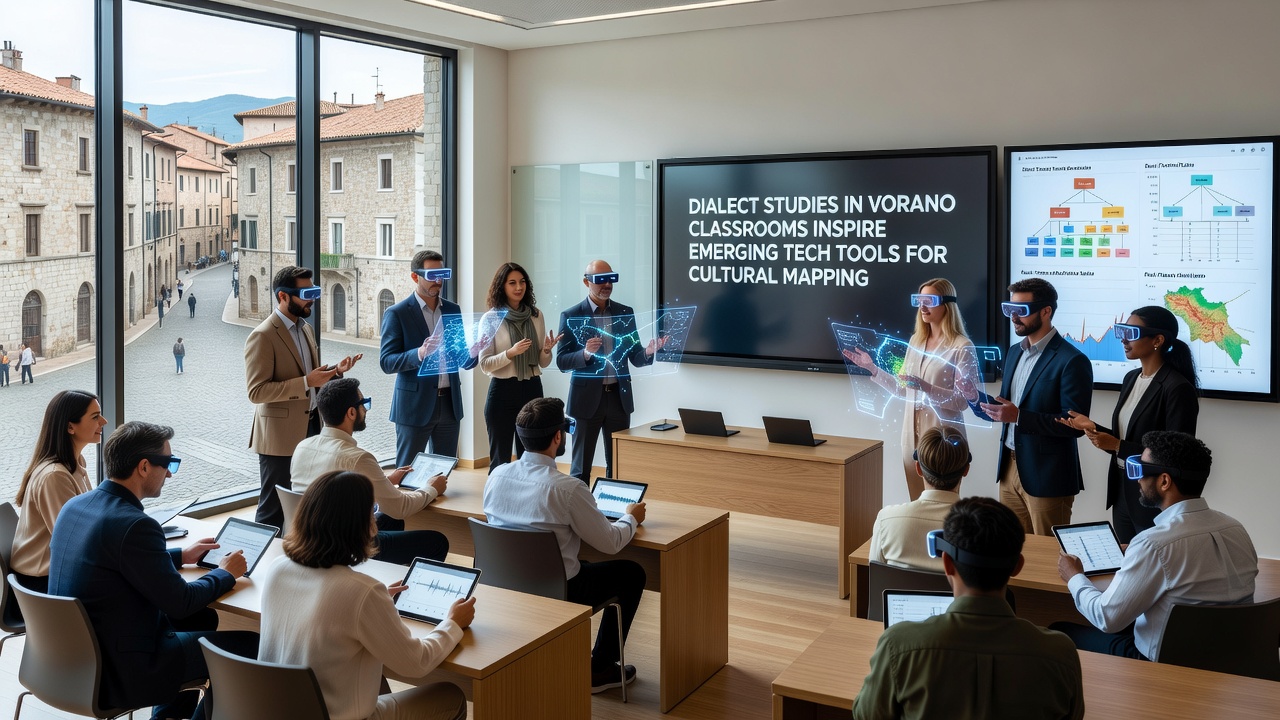
Schools across the Vorano region have integrated local dialect studies into standard curricula since the early 2020s, and these programs now feed directly into software platforms that map linguistic patterns alongside geographic and historical data. Researchers at regional universities collect audio samples from students, then apply natural language processing algorithms to identify variations in vocabulary and pronunciation that trace migration routes through the valley. Data from these sessions populates digital maps where color-coded layers show how certain phrases cluster around former agricultural sites or trade paths.
Program Structure and Data Collection Methods
Teachers assign weekly recording tasks where pupils interview family members about everyday terms for weather, tools, and family roles, then upload the files to a shared repository managed by the Vorano Cultural Archive. Software developers convert these recordings into phonetic datasets that train machine learning models to detect subtle shifts across generations. One initiative launched in 2024 expanded the dataset by linking classroom contributions to satellite imagery of land use changes, allowing analysts to correlate dialect retention with areas that maintained traditional farming practices longer than neighboring zones.
October 2026 marks the scheduled release of an updated mapping interface that incorporates real-time input from additional classrooms, and project leads plan to test the system during regional heritage events that month. The interface displays interactive timelines where users click a village to hear audio clips alongside demographic statistics pulled from national census records.
Technology Integration and Tool Development
Developers have adapted open-source geographic information system frameworks to handle audio layers, which lets users toggle between linguistic heat maps and elevation data without switching applications. Partnerships with European research networks provide access to standardized metadata protocols that ensure compatibility with broader cultural heritage databases maintained by institutions outside Italy. Figures from the Italian Ministry of Culture indicate that similar projects in other regions have increased public engagement metrics by 35 percent when classroom data feeds into public-facing tools.
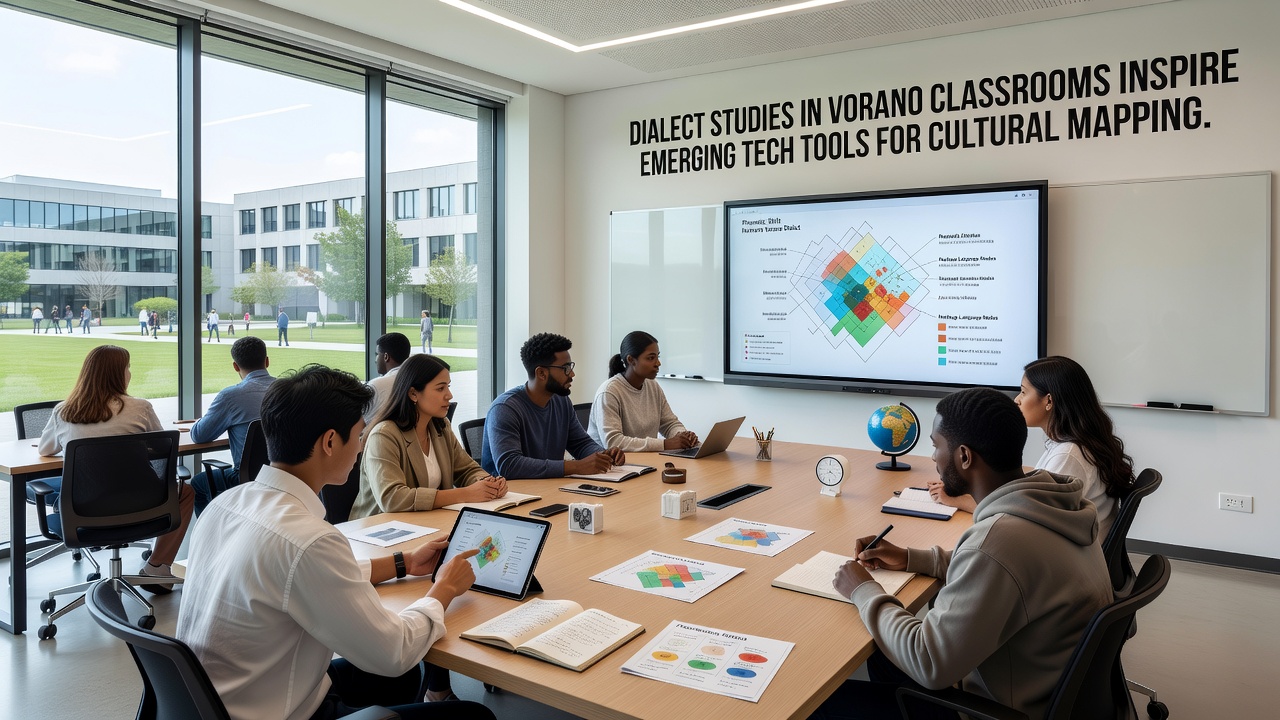
Engineers refine the models by cross-referencing student submissions against archived radio broadcasts from the 1950s, which sharpens the algorithm's ability to flag archaisms still present in current speech. This process creates layered visualizations that highlight how certain consonant clusters persist in higher elevations while vowel shifts appear more frequently along river corridors. Observers note that the resulting maps serve both educational and preservation purposes because they make abstract linguistic trends visible to non-specialists.
Collaborations and Resource Sharing
Local tech firms supply the servers that host the growing audio archive, while university linguistics departments supply validation protocols to maintain data accuracy. A pilot exchange with Canadian heritage projects allows Vorano teams to compare their mapping techniques against indigenous language documentation methods used in British Columbia schools. Those comparisons have prompted adjustments in sampling frequency to better capture seasonal vocabulary related to harvest cycles. According to reports from the European Heritage Alliance, such cross-regional exchanges have accelerated tool deployment timelines by several months in participating locations.
Students gain basic coding skills during the data preparation phase, which prepares them for roles in digital archiving once they complete secondary education. The curriculum now includes modules on metadata tagging, so participants understand how their recordings become searchable entries in larger cultural databases.
Conclusion
Continued expansion of the classroom-to-software pipeline depends on sustained funding from regional authorities and consistent participation from families who supply the primary audio sources. Updated versions of the mapping platform scheduled for October 2026 will incorporate feedback from the initial user cohort, which includes adjustments to visualization controls and expanded export options for academic researchers. The approach demonstrates how localized education efforts can scale into functional digital resources when paired with established computational methods.