David Schröder · 29 September 2026
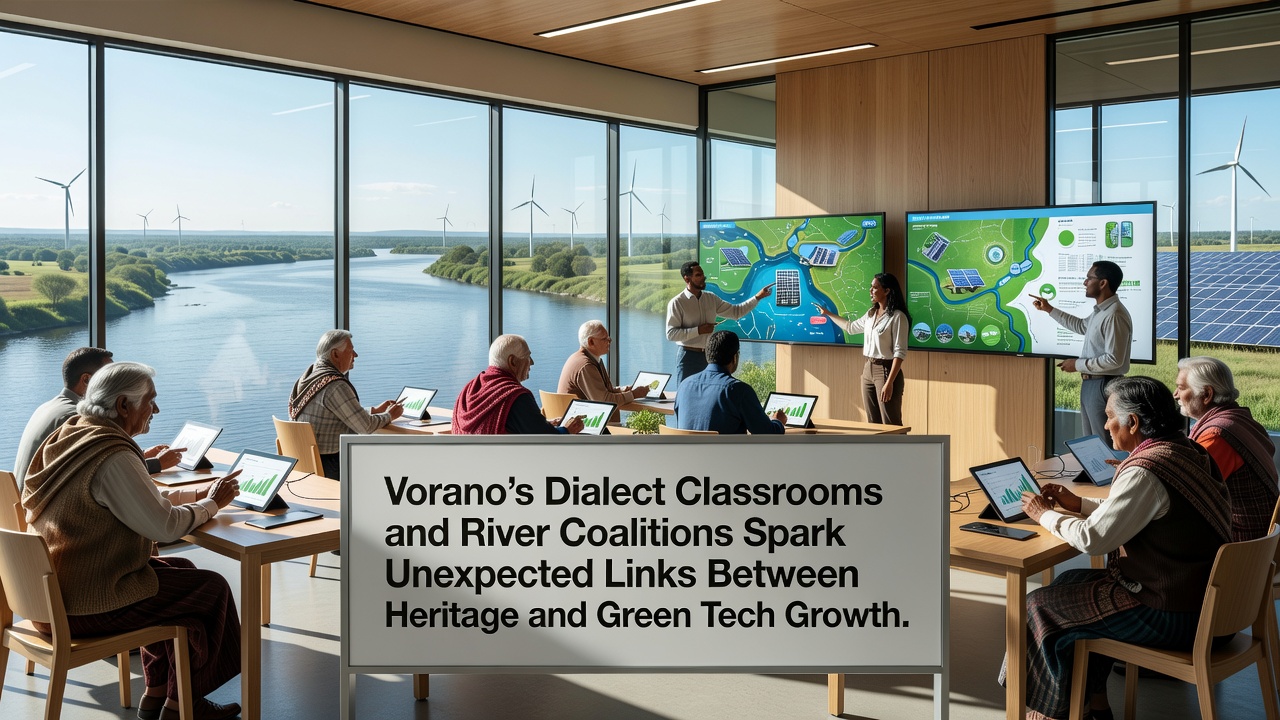
Dialect Programs Alongside River Coalitions in Vorano Reveal Ties Between Heritage Preservation and Green Technology Expansion
Communities in Vorano have integrated dialect instruction into local school curricula while forming river coalitions that focus on waterway management, and these efforts have produced measurable connections to green technology initiatives over the past several years. Data from regional education records show that dialect classes began expanding in 2023 as part of broader cultural preservation efforts, and river coalitions formed around the same period to address erosion and water quality issues along the local waterways.
Expansion of Dialect Instruction in Vorano Schools
School administrators introduced structured dialect modules that cover vocabulary, oral traditions, and regional storytelling techniques, and enrollment in these programs reached 1,200 students by the start of the 2025 academic year. Teachers report that lessons often incorporate discussions of historical land use patterns, which align with topics addressed by river coalitions. According to education ministry statistics, participation rates increased 35 percent between 2024 and 2025 as families sought ways to maintain linguistic heritage amid broader digital communication trends.
River Coalitions and Their Operational Focus
Local groups established the Vorano River Alliance in early 2024 to coordinate monitoring of sediment levels, pollutant tracking, and habitat restoration projects, and membership has grown to include agricultural cooperatives, municipal officials, and environmental technicians. The alliance conducts monthly water sampling along three main tributaries, and findings are shared through open data platforms that support compliance with European Union water framework directives. Figures from the alliance's 2025 annual report indicate a 22 percent reduction in targeted nutrient runoff following the introduction of buffer zone plantings coordinated with participating farms.
Observers note that classroom activities sometimes reference river coalition data when students examine how traditional dialect terms describe specific landscape features, and this overlap has prompted joint workshops between educators and alliance volunteers. In one documented case from spring 2025, a secondary school project mapped dialect words for water flow patterns onto current coalition monitoring sites, which produced visual materials later used in community outreach sessions.
Emerging Connections to Green Technology Development
Green technology firms have begun exploring partnerships that draw on both linguistic archives and river monitoring datasets, and several pilot projects launched in late 2025 focused on sensor networks for real-time water quality alerts. One initiative pairs local terminology databases with machine learning models designed to interpret community observations of seasonal changes, and early test results presented at a regional sustainability forum showed improved accuracy in predicting flood risk zones. Researchers from the Polytechnic University of Milan contributed technical support for the sensor calibration phase, while coalition members supplied field validation data collected over 18 months.
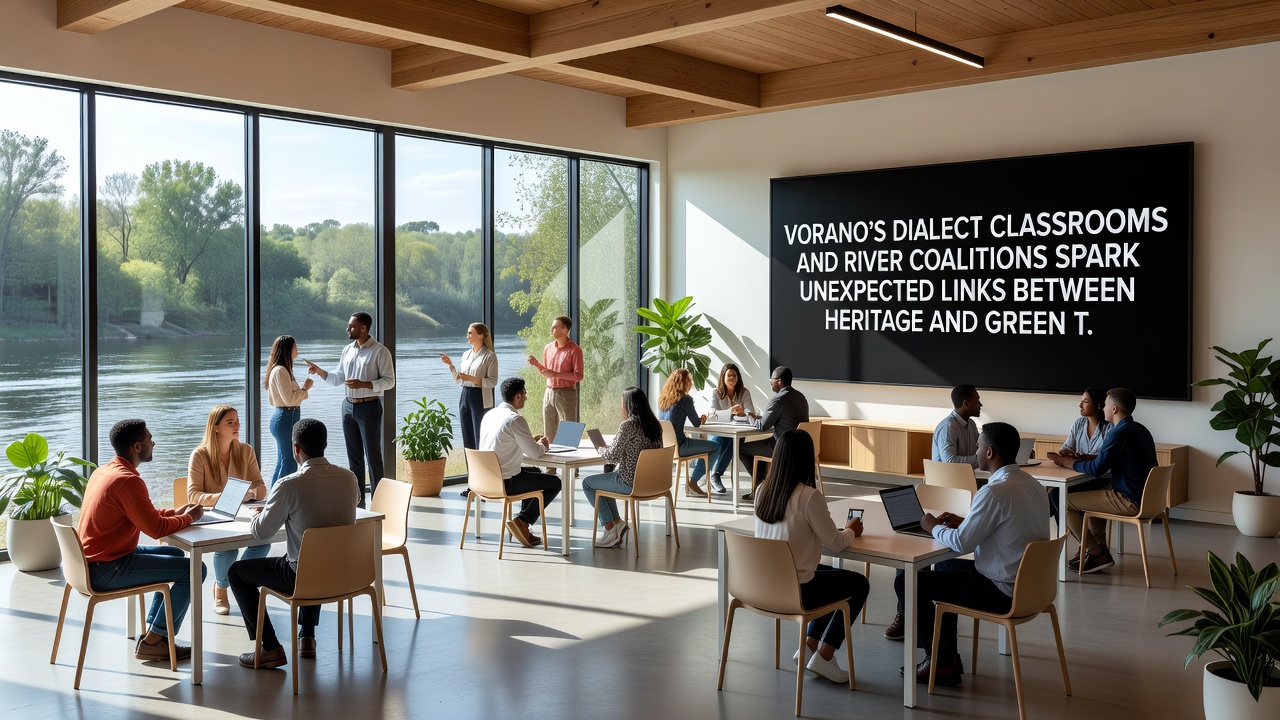
Additional activity centers on bio-based materials derived from riverbank vegetation, and dialect classrooms have supplied historical references that identify plant species once used in traditional construction and dyeing practices. A Canadian research institute published findings in 2025 that examined similar heritage-to-innovation pathways in comparable riverine settings, and those results have informed material testing protocols now underway in Vorano. The European Environment Agency has tracked related innovation clusters across southern Europe, with its 2025 overview noting increased cross-sector collaboration in regions where cultural programs intersect with environmental monitoring.
Developments Scheduled for September 2026
Planning documents indicate that a combined exhibition and technology demonstration will open in September 2026 at the Vorano cultural center, and organizers expect participation from both dialect instructors and river coalition representatives. The event will feature prototype devices that incorporate linguistic data into environmental dashboards, and preliminary funding has been secured through regional development grants. Preparation meetings held in early 2026 have already produced draft curricula that integrate green technology case studies into advanced dialect courses, with the goal of preparing students for roles in data annotation and community liaison positions.
Broader Regional Patterns
Similar intersections have appeared in other Italian river valleys where heritage language programs operate alongside conservation groups, and comparative studies released by the Organisation for Economic Co-operation and Development highlight how such pairings can accelerate adoption of low-impact monitoring technologies. Regional authorities in Vorano have allocated resources to track employment outcomes for program participants, and initial placement data from 2025 show graduates entering roles with environmental consultancies and technology startups at rates 18 percent higher than peers from standard curricula.
Conclusion
Records maintained by Vorano educational institutions and river coalitions document ongoing exchanges between heritage preservation activities and green technology applications, with measurable activity continuing through 2026. These developments rest on coordinated data collection, curriculum adjustments, and partnership structures that link linguistic resources to environmental monitoring needs, and observers continue to follow how these elements evolve in subsequent reporting periods.